
Description
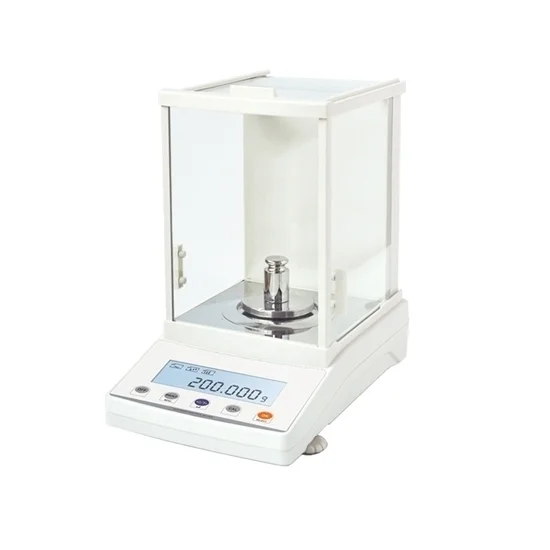
Electronic analytical balances utilize electronic sensors and mechanisms to measure the force exerted by an object placed on the weighing pan. This force is then converted into an electrical signal and processed by the balance’s electronics to display the weight measurement on a digital or analog readout.
Features:
- Screen protective cover. Provide dustproof and stroke prevention; prolong the service life of balance.
- LCD display. LCD monitor, provide abundant weighing display information, convenient to read.
- Casting aluminum shell. Precision cast aluminum case anti-interference, and corrosion-resistant, more accurate weighing.
Specification:
- Model: ATO-JA503
- Capacity: 500g
- Readability: 0.001g
- Min Weighing: 0.004g
- Repeatability: ±0.002g
- Linearity: ±0.003g
- Stable Time: ≤3s
- Pan Size: φ80mm
- Communication: RS232
- Operation Temperature: 15-25 ℃
- Calibration Method: external calibration
- Weight: 10kg
Dimension:
Application:
Tips: What are the Disadvantages of Electronic Analytical Balance?
- Sensitivity to environmental conditions. Electronic analytical balances can be sensitive to changes in temperature, humidity, and air currents. Environmental factors such as drafts or temperature fluctuations can affect the performance of the balance and compromise measurement accuracy. It may be necessary to place the balance in a controlled environment or use additional equipment, such as a draft shield.
- Maintenance and calibration. Electronic balances require regular maintenance and calibration to ensure accurate and reliable measurements. This may involve periodic cleaning, adjustment, or verification using calibrated weights. The user needs to follow the manufacturer’s guidelines for maintenance and calibration procedures.
- Fragility. Compared to mechanical balances, electronic analytical balances are generally more delicate and prone to damage. The sensitive electronic components and the presence of delicate sensors make them vulnerable to mishandling, shocks, or accidental drops. Care must be taken during transportation, installation, and everyday use to prevent damage and maintain the balance’s accuracy.


Reviews
There are no reviews yet.