
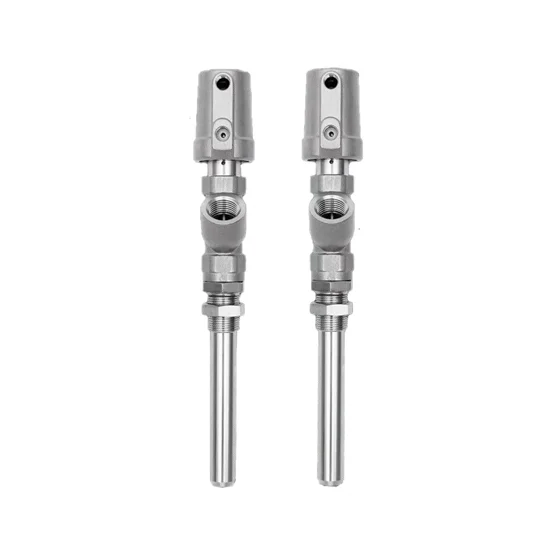
Description
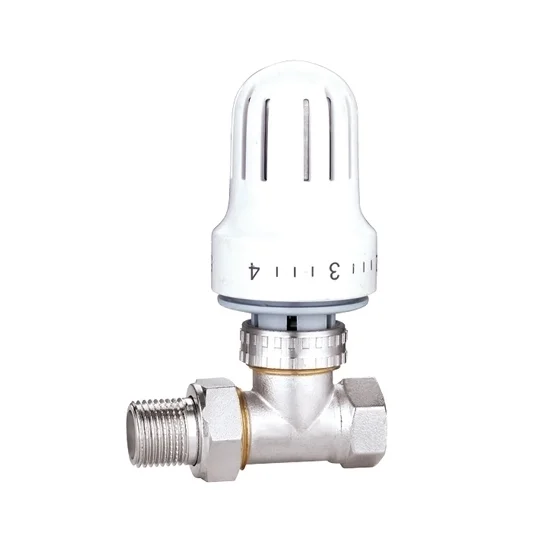
Note: This filling valve cannot be used for drinking water.
Built to withstand ambient temperatures between -10℃ and +80 ℃, 1/2″ filling valve guarantees reliable performance in various environmental conditions.
Specification
| Model | ATO-FV-DN15 |
| Pipe Diameter | 1/2″ DN15 |
| Valve Body Material | Stainless steel 304/316 (available options) |
| Pressure Environment | Atmospheric pressure |
| Pipe Pressure | 0-1.6 MPa |
| Control Stress | 0.3-0.8 MPa |
| Medium Temperature | -20℃~+200 ℃ |
| Shape | Angle type |
| Applicable Media | Weak acid and alkali media |
| Parts and Accessories | Valve body |
| Seal Form | Soft seal type |
| Sealing Material | PTFE(polytetrafluoroethylene) |
| Interface Form | BSP Thread |
| Ambient Temperature | -10℃~+80 ℃ |
| Net Weight | 4.5kg |
Dimension (Unit: mm)
| Bore Diameter | H1 (mm) | H2 (mm) | H3 (mm) | ∅D (mm) | ∅d (mm) | ∅A (mm) | M | G1 (mm) |
| DN15 | 145 | 100 | 30 | 12 | 10 | 6 | 20 | 1/2″ |
Features
- Widely used in filling machinery, especially suitable for viscous, paste-like, and foamy liquids.
- Fast, accurate, and stable filling speed.
- Compact and exquisite design, facilitating easy layout of pipelines.
- Sealed design at the bottom of the filling head ensures drip-free filling while maintaining flow efficiency.
- The chamfered design at the bottom of the filling head serves as a guiding locator, allowing for submerged filling.
- The large-caliber filling valve head adopts a gourd-shaped design, reducing weight without compromising flow.
Structure
Application
Tips: Are 1/2″ Filling Valves adjustable, and how do you adjust them?
1/2″ Filling Valves are often adjustable, allowing users to set the desired water level in a container or system. The adjustment process can vary slightly depending on the specific design of the valve, but here is a general explanation of how you might adjust a typical 1/2″ Filling Valve:
- Locate the Adjustment Mechanism: Examine the 1/2″ Filling Valve to find the adjustment mechanism. This is typically a screw or a knob that controls the opening or closing of the valve.
- Determine the Desired Water Level: Decide on the water level you want to maintain in the container or system. This could depend on the specific requirements of your application.
- Turn the Adjustment Screw or Knob: Use a screwdriver or turn the knob in the appropriate direction to adjust the valve. Turning it one way may increase the water level, while turning it the other way may decrease it.
- Observe the Water Level: While adjusting, observe the water level in the container or system. Make incremental adjustments until you achieve the desired level.
- Test the Valve: After making adjustments, it’s a good practice to test the valve to ensure it is functioning as intended. Check for any leaks and monitor the water level to confirm that it stabilizes at the desired height.
Reviews
There are no reviews yet.